Almond Font: A Festive Typeface for Holiday Design
The holiday season demands a specific visual language. It is not just about red and green; it is about warmth, nostalgia, and a sense of shared joy. When you are crafting brand identity materials or personal projects during this period, the typography you choose carries half the emotional weight. This is where Almond steps in. It is not merely a collection of letters; it is a festive and merry typeface that captures the spirit of the holiday season with remarkable precision. With its decorative elements and whimsical flair, it adds a touch of enchantment to your designs, transforming standard text into something that feels like a gift in itself.
For designers, marketers, and small business owners, finding the right balance between legibility and seasonal charm can be challenging. Many holiday fonts lean too heavily into cliché, becoming difficult to read or appearing cheap. Almond avoids these pitfalls. It brings a cheerful and nostalgic ambiance to your words, allowing your typography to shine with genuine magic. Whether you are designing a high-end packaging label or a simple social media graphic, this font offers the versatility needed to elevate your work without overwhelming the message.
Visual Personality and Design Characteristics
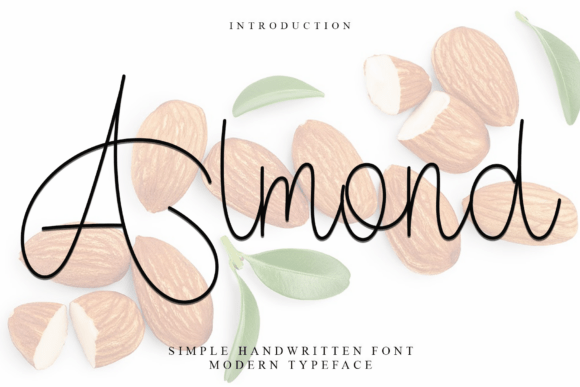
Understanding the anatomy of Almond helps in leveraging its full potential. Visually, it sits comfortably in the realm of a display font, meaning it is designed to grab attention at larger sizes. However, unlike many rigid display options, Almond possesses the organic flow often associated with a script font or a refined handwritten font. The strokes vary in thickness, mimicking the natural pressure of a calligraphy pen, which gives each character a human touch. This variability is crucial for creating a sense of authenticity, a key component in modern modern typography trends where audiences crave connection over perfection.
The "whimsical flair" mentioned in its description comes from subtle swashes and terminal details that evoke traditional holiday decorations without being literal. You might notice slight curls on the ascenders or descenders that remind one of ribbon ends or holly leaves. These are not distracting; they are integrated seamlessly into the letterforms. As a premium font, the attention to detail is evident in the spacing and kerning pairs, ensuring that words sit together harmoniously. This makes it an excellent choice for editorial design where large pull quotes or chapter headers need to stand out while maintaining elegance.
Furthermore, Almond is PUA encoded. For those unfamiliar with technical typography terms, this is a significant practical advantage. PUA (Private Use Area) encoding means you can access all the amazing glyphs, ligatures, and alternate characters with ease using standard keyboard shortcuts or character maps. You do not need specialized software to unlock the font’s full creative potential. This accessibility allows for rapid iteration in logo design or custom wordmarks, where unique ligatures can turn a common brand name into a distinctive visual asset.
Strategic Applications Across Media
The versatility of Almond makes it suitable for a wide array of applications. Its primary strength lies in short-form text, making it ideal for packaging design. Imagine a limited-edition holiday cookie box or a boutique candle label. The font’s decorative nature draws the eye, while its clarity ensures the product name is instantly recognizable. In this context, the font acts as a silent salesman, conveying quality and festivity before the customer even reads the product description.
In the digital sphere, Almond excels in social media graphics and email headers. During the fourth quarter, inboxes are flooded with promotional content. A subject line or banner image featuring Almond can cut through the noise by offering a visual break from the standard sans-serif monotony. It signals to the reader that the content inside is special, curated, and celebratory. For bloggers and content creators, using this typeface in header images can significantly increase click-through rates by enhancing the aesthetic appeal of the post preview.
Print applications remain a stronghold for this typeface. Greeting cards and gift tags are the most obvious uses, but consider its application in event invitations or restaurant menus for holiday parties. The font’s ability to evoke nostalgia makes it perfect for creating an atmosphere of tradition and warmth. When used in web design, it should be employed sparingly—perhaps for hero section headlines or special announcement bars—to maintain load times and readability, while still injecting seasonal personality into the user experience.
Enhancing Brand Perception and Engagement
Typography is a powerful tool for influencing brand perception. Using a well-crafted font like Almond signals professionalism and attention to detail. It suggests that a brand cares about the customer experience enough to invest in high-quality design assets. This perception of value can justify premium pricing and foster loyalty. When customers see consistent, thoughtful typography across touchpoints, from their Instagram feed to the physical product in their hands, it reinforces brand recognition and trust.
Readability and visual hierarchy are also critical considerations. While Almond is decorative, it maintains sufficient contrast and structure to remain legible. However, it is not a body text font. Using it for long paragraphs would strain the reader’s eyes and diminish its impact. Instead, use it to establish hierarchy. Pair it with a clean sans serif font or a classic serif font for body copy. This contrast creates a dynamic visual rhythm, guiding the viewer’s eye from the headline (Almond) to the supporting information (the paired font). This strategic pairing ensures that the design remains functional while being aesthetically pleasing.
Audience engagement increases when designs feel personal and relevant. Almond’s handwritten qualities mimic human interaction, making brands feel more approachable and less corporate. In an era where consumers are increasingly skeptical of faceless entities, this humanizing effect can be a decisive factor in conversion. Whether you are a solo entrepreneur or part of a larger marketing team, leveraging this emotional connection through typography can yield tangible results in campaign performance.
Practical Guidance for Implementation
To get the most out of Almond, start by evaluating your project’s fit. Ask yourself: Does this design need to feel festive, warm, and inviting? If the answer is yes, Almond is likely a strong candidate. Next, test your font pairings. Since Almond is a creative font with significant personality, pair it with neutral, understated typefaces. Avoid pairing it with other decorative fonts, as this creates visual competition and confusion. A simple geometric sans serif often works best to ground the whimsy of Almond.
Review the included styles and glyphs before finalizing your design. Take advantage of the PUA encoding to experiment with ligatures. Sometimes, connecting two letters can create a unique logo mark or a memorable visual hook. Always check readability at different sizes. What looks beautiful at 72 points may become illegible at 12 points. Ensure that your primary message remains clear regardless of the medium.
Finally, respect licensing terms. Almond is a commercial font, meaning you must purchase the appropriate license for business use. This ensures that the designer is compensated for their work and that you have the legal right to use the font in your products and marketing materials. Investing in proper licensing is a fundamental aspect of professional practice and protects your business from potential legal issues.
In conclusion, Almond is more than just a seasonal novelty. It is a versatile, high-quality typeface that can enhance your brand identity and engage your audience through thoughtful design. By understanding its characteristics and applying it strategically, you can create memorable, impactful designs that resonate with the spirit of the season.