Charm: The Playful Decorative Font for Festive and Retro Designs
In the vast landscape of digital typography, finding a typeface that balances personality with legibility can be a challenge. Designers often seek fonts that do more than just display text; they want letters that evoke emotion, set a tone, and create an immediate visual connection with the viewer. Enter Charm, a cute ornament decorative font that has rapidly become a favorite among creators looking to inject warmth and whimsy into their projects. Whether you are designing holiday greetings or branding a playful product, Charm offers a distinct aesthetic that stands out in a crowded market.
Understanding the Aesthetic of Charm
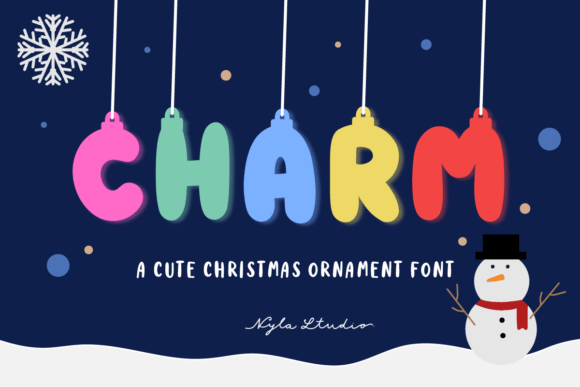
At its core, Charm is defined by its soft, rounded edges and fluid connections. Unlike rigid serif fonts or stark sans-serifs, this typeface mimics the natural flow of hand-lettering while maintaining the consistency required for professional design work. The "ornament" aspect of its description is not merely decorative fluff; it refers to the subtle flourishes and varying stroke widths that give each character a unique, handcrafted feel.
The font’s design philosophy centers on approachability. When a viewer sees text rendered in Charm, the immediate psychological response is often one of comfort and joy. This makes it an exceptional tool for communicating messages that are meant to be friendly, inviting, and lighthearted. It bridges the gap between casual handwriting and structured typography, offering the best of both worlds for designers who need reliability without sacrificing style.
Key Characteristics and Features
To truly leverage the potential of this typeface, it is helpful to understand its specific technical and visual traits. Charm is not just a single style but a versatile tool with several defining features:
- Retro Influence: The font draws heavy inspiration from mid-century design trends, making it perfect for vintage-inspired layouts.
- High Legibility: Despite its decorative nature, the characters remain distinct and easy to read, even at smaller sizes.
- Versatile Weight: The stroke thickness is balanced to ensure it looks great on both light and dark backgrounds.
- Playful Geometry: The circular curves and open counters contribute to its overall cute and welcoming appearance.
These characteristics make Charm a robust choice for a wide array of applications. It is not limited to a single niche but rather serves as a flexible asset in any designer’s toolkit.
Ideal Applications for Charm
One of the most compelling aspects of Charm is its adaptability. While it shines in festive contexts, its utility extends far beyond seasonal designs. Below are some of the most effective ways to incorporate this font into your creative workflow.
Holiday and Seasonal Projects
It is no secret that Charm is perfect for Christmas projects. The font’s inherent warmth aligns seamlessly with the themes of generosity, family, and celebration associated with the holiday season. Designers frequently use it for Christmas invitations, where the goal is to make recipients feel personally welcomed. The ornamental details echo the intricacy of holiday decorations, creating a cohesive visual experience.
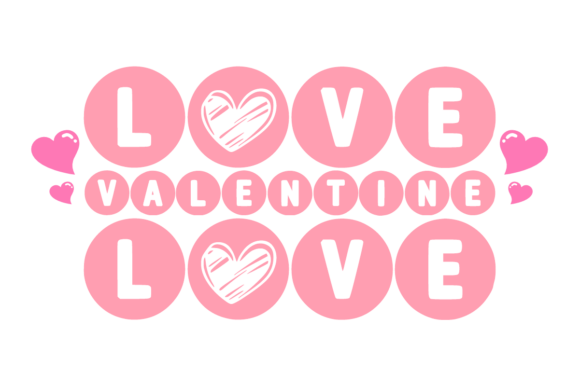
Beyond Christmas, Charm works beautifully for other winter holidays, Valentine’s Day cards, and Easter greetings. Any occasion that calls for a touch of sweetness and tradition can benefit from this typeface.
Merchandise and Apparel
For business owners in the print-on-demand space, Charm is a valuable resource. Its bold yet friendly structure makes it ideal for shirts and apparel. When printed on fabric, the rounded edges of the font soften the look of the garment, making it appealing to a broad demographic, from children to adults who appreciate retro fashion. Additionally, Charm is excellent for mugs and stickers. On curved surfaces like mugs, the fluidity of the font complements the shape, while on stickers, its compact nature allows for catchy, short phrases that grab attention.
Branding and Packaging
Small businesses, particularly those in the food, beauty, or craft industries, can use Charm to humanize their brand identity. It is highly effective for packaging design, where shelf appeal is critical. A label featuring Charm suggests that the product inside is handmade, artisanal, or crafted with care. Similarly, when creating posters or logos for boutique shops, bakeries, or daycare centers, this font communicates safety, fun, and quality.
Who Benefits Most from Using Charm?
While anyone with access to design software can use Charm, certain groups will find it particularly transformative for their work.
- Graphic Designers: Professionals who need a reliable display font for client projects involving lifestyle, family, or heritage brands.
- Small Business Owners: Entrepreneurs who handle their own marketing materials and need a font that conveys professionalism without feeling corporate or cold.
- Educators and Parents: Individuals creating classroom materials, birthday party invites, or home decor items that require a cheerful and readable typeface.
- Social Media Creators: Influencers and content creators who design playful quotes or promotional graphics that need to stop the scroll with visual appeal.
Practical Considerations and Limitations
As with any design tool, understanding the limitations of Charm is crucial for achieving optimal results. While it is a powerful asset, it is not a one-size-fits-all solution.
Readability in Long-Form Text
Charm is a display font, meaning it is designed for headlines, titles, and short bursts of text. It is not suitable for body copy or long paragraphs. Using it for extensive reading material can cause eye strain due to its decorative elements. For best results, pair Charm with a clean, neutral sans-serif font for the main text. This contrast ensures that the headline captures attention while the body remains easy to digest.
Contextual Appropriateness
The playful and cute nature of Charm means it may not be appropriate for serious, corporate, or somber contexts. For example, using this font for a legal document, a financial report, or a memorial service program would likely create a tonal mismatch. Designers must always evaluate the emotional weight of their message before selecting this typeface. It thrives in environments that celebrate life, joy, and creativity.
Technical Implementation
When using Charm for decorating the illustration or integrating it into complex layouts, pay attention to kerning. Because the font has varied stroke widths and organic shapes, automatic spacing settings in design software may occasionally leave awkward gaps. Manual adjustment of letter spacing can significantly enhance the polished look of your final design, especially in logos where precision is paramount.
Real-World Scenarios: Bringing Charm to Life
To visualize the impact of this font, consider a few practical scenarios. Imagine a local bakery launching a new line of homemade cookies. By using Charm on the packaging, the brand instantly communicates a sense of home-baked goodness and nostalgia. The font’s retro vibe suggests traditional recipes, while its cuteness appeals to gift-buyers.
Alternatively, consider a teacher preparing materials for a primary school classroom. Using Charm for header titles on worksheets makes the learning environment feel less intimidating and more engaging for young students. The friendly curves of the letters mirror the approachable demeanor of a good educator.
In the digital realm, a lifestyle blogger might use Charm for overlay text on Instagram stories promoting a self-care routine. The font’s soft aesthetic reinforces the message of relaxation and kindness, creating a harmonious visual narrative.
Evaluating Suitability for Your Project
Before committing to Charm for your next project, ask yourself a few key questions. Does the design need to feel friendly and approachable? Is the target audience likely to respond well to retro or whimsical aesthetics? Will the text be short and impactful rather than lengthy and detailed? If the answer to these questions is yes, then Charm is likely an excellent fit.
It is also wise to test the font in various mediums. Print a sample on different paper stocks, view it on mobile screens, and check how it interacts with your chosen color palette. Charm tends to work well with pastel colors, deep reds, and earthy tones, but experimenting with high-contrast combinations can yield striking modern results.
Conclusion
Charm is more than just a font; it is a design element that carries emotional weight. Its ability to transform ordinary text into something special makes it invaluable for greeting cards, creating posters, and countless other creative endeavors. By understanding its strengths and respecting its limitations, designers and creators can harness the full power of this cute ornament decorative font. Whether you are decorating an illustration or branding a new venture, Charm offers a timeless appeal that resonates with audiences across generations. Embrace its playful spirit, and let your designs speak with warmth and character.