Embracing the Spirit of the West with Cowboy Junior Typography
In the vast landscape of graphic design, typography serves as the voice of visual communication. It is not merely about choosing letters that are legible; it is about selecting a typeface that conveys emotion, history, and atmosphere. Among the myriad options available to designers, Cowboy Junior stands out as a distinctive choice that captures the rugged charm and nostalgic allure of the American frontier. This lovely and timeless decorative font offers more than just aesthetic appeal; it provides a narrative tool that can transform ordinary designs into evocative stories. By understanding the nuances of this typeface, creators across various industries can leverage its unique character to enhance their projects.
The Aesthetic Appeal of Western-Inspired Typefaces
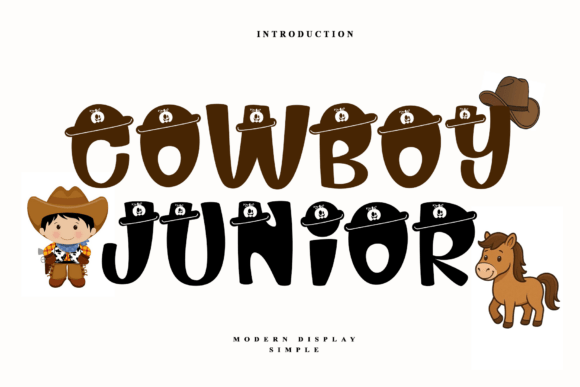
The Western genre has long held a fascination for audiences worldwide, symbolizing freedom, adventure, and resilience. Typography plays a crucial role in establishing this mood. Cowboy Junior embodies these themes through its bold strokes, serif details, and slightly irregular contours that mimic hand-painted signs from the late nineteenth century. Unlike modern sans-serif fonts that prioritize minimalism and neutrality, this decorative font embraces ornamentation and personality. It invites the viewer to pause and appreciate the craftsmanship behind each letterform.
When integrated into creative ideas, the font does not merely sit on the page; it interacts with the surrounding elements. Its robust structure allows it to hold its own against busy backgrounds or intricate illustrations, making it an ideal candidate for headlines and logos where immediate impact is required. The timelessness of the design ensures that it does not feel dated, but rather classic, appealing to both traditionalists and contemporary designers looking to add a touch of vintage warmth to their work.
Practical Applications in Modern Design
While the name suggests a niche application, the versatility of Cowboy Junior extends far beyond stereotypical western themes. Its decorative nature makes it suitable for a wide array of projects where a friendly, approachable, yet authoritative tone is desired. Here are several contexts where this font excels:
- Branding and Identity: For businesses in the food and beverage industry, particularly those specializing in barbecue, craft beer, or artisanal coffee, this font can convey authenticity and heritage. It suggests a brand that values tradition and quality.
- Event Invitations: Whether for a rustic wedding, a birthday party with a country theme, or a community fair, using Cowboy Junior in invitations sets the tone immediately. It creates an expectation of a relaxed, enjoyable atmosphere.
- Packaging Design: Product packaging benefits greatly from distinctive typography. Items such as handmade soaps, organic jams, or wooden toys can use this font to highlight their handcrafted nature, distinguishing them from mass-produced competitors.
- Educational Materials: Teachers and educators can utilize this typeface to make history lessons more engaging. When creating materials about the Old West or American history, the visual consistency helps immer students in the subject matter.
Enhancing Readability and Hierarchy
One common misconception about decorative fonts is that they sacrifice readability for style. However, when used correctly, Cowboy Junior maintains excellent legibility. The key lies in understanding hierarchy. This font is best suited for headings, subheadings, and short bursts of text rather than long paragraphs. By reserving it for titles, designers create a clear visual path for the reader. The contrast between the bold, character-rich headers and a clean, simple body font creates a balanced composition that is both interesting and easy to navigate.
For instance, pairing Cowboy Junior with a neutral sans-serif like Helvetica or a classic serif like Georgia allows the decorative elements to shine without overwhelming the viewer. This combination ensures that the message is delivered clearly while still retaining the emotional resonance provided by the headline font.
Technical Considerations for Digital and Print Media
Implementing any specialized font requires attention to technical details to ensure consistent rendering across different platforms. With Cowboy Junior, designers must consider resolution and spacing. In print media, the intricate details of the serifs and curves will render sharply, provided the file resolution is high enough. For digital applications, such as websites or social media graphics, it is essential to test the font at various sizes. Because it is a decorative typeface, it may lose clarity if scaled down too small. Therefore, it is advisable to use it primarily for large-format text where its features can be fully appreciated.
Furthermore, kerning—the adjustment of space between characters—is critical. Decorative fonts often have unique spacing requirements due to their irregular shapes. Manual adjustment may be necessary to ensure that letters do not appear too cramped or too distant from one another. Taking the time to refine these details demonstrates professionalism and enhances the overall polish of the design.
Color Psychology and Pairing Strategies
The effectiveness of Cowboy Junior is also influenced by color choices. Earth tones such as browns, tans, deep reds, and forest greens complement the western aesthetic naturally. These colors reinforce the connection to nature and tradition. However, designers should not feel confined to this palette. Using vibrant colors like turquoise or bright yellow can create a playful, modern twist on the classic western look, appealing to a younger demographic while still leveraging the font’s inherent charm.
When combining colors, contrast is vital. Light-colored text on a dark background, or vice versa, ensures that the intricate details of the font remain visible. Avoid low-contrast combinations that might cause the decorative elements to blend into the background, reducing legibility and impact.
The Emotional Connection in Storytelling
Beyond its visual attributes, Cowboy Junior serves as a powerful tool for storytelling. Fonts carry cultural associations, and this particular typeface evokes feelings of nostalgia, warmth, and reliability. In marketing and communication, tapping into these emotions can strengthen the connection between the brand and the audience. For example, a non-profit organization focused on preserving historical sites might use this font to evoke a sense of duty and respect for the past. Similarly, a family-owned business might use it to highlight their long-standing presence in the community.
This emotional resonance is not limited to commercial uses. Hobbyists creating scrapbooks, personal blogs, or artistic prints can use Cowboy Junior to add a personal touch that reflects their interests and values. It transforms generic text into a statement of identity, allowing creators to express their unique perspective through typography.
Future Trends in Decorative Typography
As design trends continue to evolve, there is a growing appreciation for authenticity and handcrafted aesthetics. In an era dominated by digital precision, fonts that mimic human touch and historical styles are gaining popularity. Cowboy Junior fits squarely within this trend, offering a bridge between the past and present. Its timeless quality ensures that it remains relevant regardless of shifting fads. Designers who incorporate such fonts into their repertoire are better equipped to meet the demand for meaningful, emotionally resonant design.
Moreover, the rise of personalized marketing means that brands are seeking ways to stand out through unique visual identities. Using distinctive typefaces like Cowboy Junior allows businesses to differentiate themselves in crowded markets. It signals attention to detail and a commitment to quality, traits that consumers increasingly value.
Final Thoughts on Creative Integration
Integrating Cowboy Junior into your creative workflow requires a balance of artistic intuition and technical precision. By respecting its characteristics and understanding its optimal use cases, you can unlock its full potential. Whether you are designing a logo, creating an invitation, or developing a brand identity, this font offers a versatile and impactful solution. Its ability to convey warmth, tradition, and character makes it a valuable asset in any designer’s toolkit. As you experiment with different layouts, colors, and pairings, you will discover new ways to leverage its charm, ensuring that your projects not only look good but also feel right. Enjoy the results of adding this lovely and timeless decorative font to your creative ideas, and watch how it elevates your work from ordinary to extraordinary.