Integrating Wedding Floral Design into Your Creative and Business Workflows
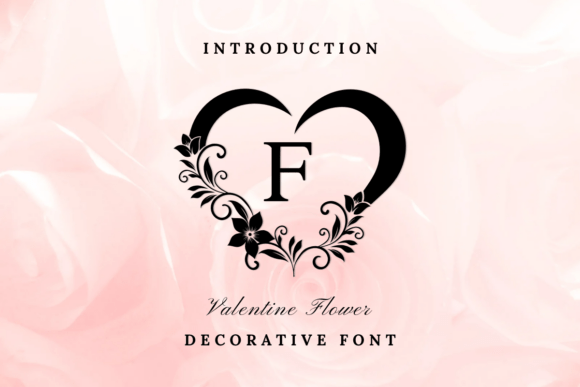
In the realm of visual communication, typography serves as the voice of your brand or event. It dictates tone, establishes hierarchy, and evokes emotion before a single word is read. Wedding Floral Design is a stylish and elegant decorative font that bridges the gap between traditional calligraphy and modern digital design. While its name suggests a niche application, its utility extends far beyond nuptial stationery. For professionals, entrepreneurs, and creators, understanding how to integrate this typeface into broader workflows can enhance brand consistency, improve client deliverables, and streamline the production of high-quality visual assets.
This article explores the practical implementation of Wedding Floral Design across various projects. We will examine its role in pre-production planning, its compatibility with standard design tools, and strategies for maintaining quality control during execution. Whether you are a small business owner creating marketing materials or a freelancer designing custom invitations, mastering this asset requires more than just installation; it requires a strategic approach to usage.
Understanding the Asset and Its Strategic Fit
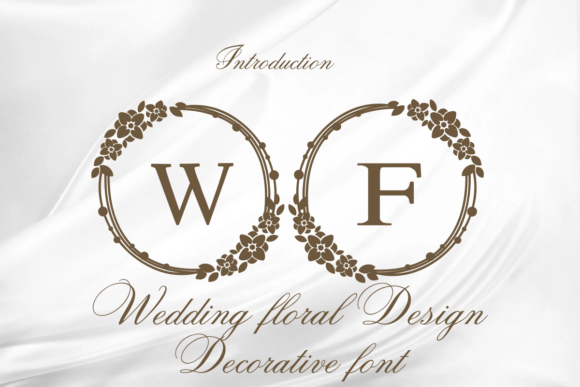
Before deploying any typographic asset, it is crucial to understand its characteristics and limitations. Wedding Floral Design features intricate flourishes and organic curves that mimic hand-lettered script. This makes it ideal for headlines, logos, and short emphasis text, but less suitable for body copy. Recognizing this distinction is the first step in effective workflow integration.
In a professional context, this font functions as a primary display element. It should be paired with clean, legible sans-serif or serif fonts to create balance. When planning a project, consider where visual impact is most needed. For example, in a wedding invitation suite, Wedding Floral Design might handle the couple’s names, while a simpler font handles the venue details and RSVP information. This hierarchy ensures readability while maintaining aesthetic appeal.
From a business perspective, having a reliable decorative font in your toolkit allows for rapid prototyping of luxury-oriented designs. Marketers and social media managers can use it to create eye-catching graphics for special promotions, anniversary announcements, or seasonal campaigns. The key is consistency; once you establish how Wedding Floral Design fits into your brand guidelines, stick to those rules to maintain professional integrity.
Pre-Production: Preparation and Compatibility Checks
Successful implementation begins with preparation. Before starting any design task, ensure that Wedding Floral Design is properly installed and licensed for your intended use. Font licensing can be complex, especially for commercial projects. Verify whether your license covers print, web, or merchandise applications. This due diligence prevents legal issues downstream and ensures smooth client handoffs.
Next, assess software compatibility. Wedding Floral Design works seamlessly with major design platforms such as Adobe Illustrator, Photoshop, InDesign, and Canva. However, each platform handles vector and raster data differently. If you are creating large-format prints, such as banners or backdrops, use vector-based software to maintain crisp edges at any scale. For digital-only assets, raster formats may suffice, but always check resolution requirements.
Organization is another critical factor. Create a dedicated folder for your typography assets, including Wedding Floral Design, along with its complementary pairings. Label files clearly with version numbers and license terms. This simple organizational habit saves time during tight deadlines and reduces the risk of using outdated or unlicensed versions.
Execution: Practical Use Cases and Workflow Integration
Once prepared, you can begin integrating Wedding Floral Design into your projects. Below are common scenarios where this font adds value, along with tips for efficient execution.
Event Stationery and Invitations
The most obvious application is in wedding invitations, but do not limit yourself to weddings. Birthday cards, anniversary announcements, and gala invitations also benefit from elegant typography. When designing these pieces, start with a grid system to align text elements. Use Wedding Floral Design for the main header, ensuring adequate whitespace around the letters to let the flourishes breathe. Avoid crowding the text, as this diminishes the font’s elegance.
For batch processing, such as creating multiple invitations with different names, use data merge features in InDesign or similar tools. This automates the placement of variable text while keeping the static design elements consistent. Test a few samples before running the full batch to catch any kerning or spacing issues specific to certain letter combinations.
Merchandise and Product Branding
Entrepreneurs and small business owners can leverage Wedding Floral Design for product branding. Monogrammed mugs, tote bags, and packaging labels gain a premium feel when adorned with this script. When preparing files for print-on-demand services or local printers, convert text to outlines. This ensures that the font renders correctly even if the printer does not have it installed. Additionally, check color contrast; intricate fonts can lose detail on dark backgrounds unless printed in light ink or foil.
Consider the material constraints. Embroidery, for instance, has limitations on fine details. Simplify the design or increase the size of the text when applying Wedding Floral Design to fabric. For ceramic printing, ensure high-resolution vectors to prevent pixelation. These technical adjustments are part of the quality control process and should be included in your standard operating procedures.
Digital Marketing and Social Media
In digital workflows, speed and adaptability are key. Use Wedding Floral Design to create template headers for Instagram stories, Pinterest pins, or email newsletters. Save these templates in your design software so you can quickly swap out text for new campaigns. Consistency in typography helps build brand recognition over time.
When using the font on social media, be mindful of mobile readability. Small screens may struggle with intricate details. Increase font size and simplify backgrounds to ensure clarity. A/B test different layouts to see which performs better with your audience. Data-driven decisions help refine your use of decorative typography over time.
Quality Control and Long-Term Maintenance
Maintaining high standards requires ongoing attention to detail. Regularly review your outputs for consistency. Are you using Wedding Floral Design in the same way across all platforms? Is the pairing font consistent? Audit your past projects quarterly to identify areas for improvement.
Stay updated on design trends. While classic scripts remain timeless, their application evolves. Observe how other designers use similar fonts and adapt techniques that align with your brand. Join design communities or forums to share insights and troubleshoot issues. Collaboration and continuous learning are essential for long-term success.
Finally, backup your assets. Store copies of Wedding Floral Design and your custom templates in cloud storage and external drives. Protect your work against data loss and ensure you can access your tools regardless of hardware failures. This redundancy is a simple yet vital part of any professional workflow.
Conclusion
Wedding Floral Design is more than just a decorative element; it is a versatile tool that, when used strategically, enhances the quality and efficiency of your creative output. By understanding its characteristics, preparing your workspace, and integrating it into structured workflows, you can produce polished, professional results across various mediums. From invitations to merchandise, this font offers endless possibilities for those willing to invest time in mastering its application. Embrace the process, prioritize quality, and let your designs speak with elegance and clarity.