Holi Festival: Celebrating Color Through Expressive Typography
The Holi Festival, often referred to as the Festival of Colors, is a vibrant celebration rooted in ancient traditions that mark the arrival of spring and the triumph of good over evil. For centuries, this event has been defined by its visual spectacle—clouds of pink, green, yellow, and red powder filling the air, creating a chaotic yet harmonious tapestry of joy. In the modern digital and creative landscape, capturing the essence of such a dynamic cultural phenomenon requires more than just photography or standard text; it demands typography that mirrors the energy, fluidity, and playfulness of the occasion itself. This is where the concept of Holi Festival as a decorative font style becomes particularly relevant for designers, marketers, and everyday creators.
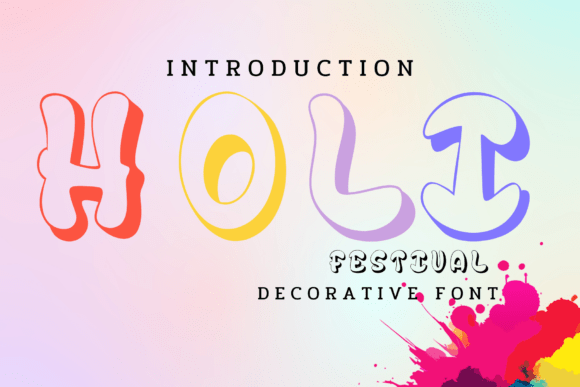
Typography is no longer merely a vessel for information; it is a primary design element that conveys emotion and tone. When we speak of Holi Festival in the context of decorative fonts, we are referring to typefaces that embody the spirit of the celebration—bold, irregular, colorful, and inherently joyful. These fonts are not designed for dense legal contracts or academic papers. Instead, they serve as powerful tools for visual storytelling, allowing users to infuse their projects with the same warmth and exuberance associated with the festival.
The Evolution of Decorative Typography in Cultural Design
In recent years, there has been a significant shift in how businesses and individuals approach cultural celebrations. The trend has moved away from generic, stock imagery toward personalized, authentic expressions. This change is driven by a desire for connection in an increasingly digital world. People are looking for ways to make their communications feel human and handcrafted, even when produced digitally. Decorative fonts that mimic the organic flow of colored powder or the playful scattering of petals fit perfectly into this narrative.
The evolution of these typefaces reflects broader changes in design software accessibility and user expectations. Where once only professional graphic designers had access to high-quality custom fonts, today’s creators—from small business owners to hobbyists—can easily integrate specialized typography into their workflows. This democratization of design means that a local bakery can create a stunning Holi-themed menu, or a freelance marketer can design eye-catching social media graphics without needing extensive technical training. The availability of fonts specifically styled around themes like the Holi Festival allows for immediate thematic resonance, bridging the gap between intent and execution.
Practical Applications for Creators and Professionals
Understanding the versatility of decorative fonts is key to leveraging them effectively. While the aesthetic is playful, the applications are diverse and practical across various industries and personal projects. Here is how you can integrate these typographic styles into your current workflow:
- Greeting Cards and Invitations: The most traditional use case remains one of the most effective. A decorative font can transform a simple digital invitation into a festive announcement. The irregular strokes and vibrant feel of the typeface set the expectation for a lively event before the guest even reads the details.
- Social Media Content: In the fast-paced environment of Instagram, Facebook, and LinkedIn, stopping the scroll is crucial. Text overlays using bold, thematic fonts can highlight key messages about sales, events, or cultural acknowledgments more effectively than plain sans-serif text. It adds a layer of personality that algorithms and users alike tend to favor.
- Branding and Merchandise: For entrepreneurs selling products during the spring season, incorporating thematic typography on mugs, shirts, and stationery can create limited-edition appeal. It signals to customers that the brand is culturally aware and engaged with current seasonal trends.
- Personal Journaling and Notes: On a personal level, using decorative fonts for digital diaries or note-taking apps can enhance the creative process. It turns mundane logging into an artistic expression, making the act of writing more engaging and visually rewarding.
Aligning with Modern Marketing and Lifestyle Trends
The relevance of themed typography extends beyond aesthetics; it aligns with modern marketing principles that prioritize emotional engagement. Consumers are increasingly drawn to brands that demonstrate cultural competence and authenticity. Using a font that respectfully and creatively references the Holi Festival shows attention to detail and a genuine appreciation for the culture, rather than a superficial appropriation. However, it is crucial to approach this with sensitivity and respect, ensuring that the design elements honor the tradition rather than trivialize it.
Furthermore, the rise of remote work and digital communication has increased the need for visual variety in our daily interactions. As we spend more time behind screens, the monotony of standard system fonts can lead to visual fatigue. Introducing decorative elements into internal newsletters, team celebration announcements, or client presentations can break this monotony. It injects energy into professional environments, fostering a sense of community and shared joy, even in virtual spaces.
Design Considerations for Effective Use
While decorative fonts are powerful, they require careful handling to maintain readability and professionalism. Here are some guidelines to ensure your designs remain effective:
- Balance is Key: Decorative fonts should be used for headlines, short phrases, or emphasis points. Avoid using them for long paragraphs of body text, as the intricate details can strain the reader’s eyes. Pair them with clean, simple sans-serif fonts for the main content to create a harmonious contrast.
- Color Harmony: Since the Holi Festival is synonymous with color, ensure that your font color complements the background. High contrast is essential for legibility. If the font itself is multi-colored or textured, keep the background neutral to prevent visual clutter.
- Contextual Appropriateness: Always consider the audience. While a playful font is perfect for a community event flyer or a children’s book cover, it may not be suitable for formal corporate communications unless used very sparingly as an accent. Understanding the tone of your message is critical.
- Licensing and Ethics: Ensure that you have the proper license for any font you use, especially for commercial projects. Supporting independent type designers who create these niche, culturally inspired fonts helps sustain the creative ecosystem.
The Future of Thematic Typography
As technology advances, we are seeing the emergence of variable fonts and interactive typography that can change weight, width, and even color based on user interaction. Imagine a digital banner where the letters of a Holi Festival-themed font subtly shift hues as the user scrolls, mimicking the dynamic nature of the actual festival. This level of interactivity will further blur the lines between static design and immersive experience.
For educators and content creators, this opens new avenues for engagement. Interactive e-books or educational materials about cultural festivals can use these dynamic fonts to make learning more engaging for younger audiences. For marketers, it offers new ways to capture attention in augmented reality (AR) filters and virtual experiences. The core principle remains the same: typography is a tool for connection, and when used thoughtfully, it can convey complex emotions and cultural nuances instantly.
In conclusion, the integration of decorative fonts inspired by the Holi Festival into your creative toolkit is more than a design choice; it is a strategic decision to enhance communication through emotion and cultural resonance. Whether you are designing a banner for a local event, creating a personalized greeting card, or developing a social media campaign, these typefaces offer a unique way to stand out. By understanding the balance between aesthetics and functionality, and by respecting the cultural roots of the inspiration, you can create designs that are not only visually striking but also meaningful and impactful. Embrace the color, embrace the creativity, and let your typography speak as loudly as the celebration it represents.