Strategic Design and Production: The Wall Key Holder Laser Cut Key Hanger
In the realm of digital fabrication and small-scale manufacturing, the difference between a novelty item and a viable product often lies in the precision of its design and the clarity of its intended use. The Wall Key Holder Laser Cut Key Hanger represents more than just a functional household accessory; it is a case study in efficient design, material optimization, and market positioning. For creators, entrepreneurs, and hobbyists utilizing laser cutting technology, understanding the strategic value of this specific design file can unlock new avenues for revenue, brand building, and operational efficiency.
This article explores how to approach the production and distribution of laser-cut key holders not merely as a craft project, but as a deliberate business or creative decision. We will examine the technical requirements, the importance of file compatibility, and the broader implications of offering high-quality, customizable home décor in a competitive marketplace.
Aligning Product Design with Market Needs
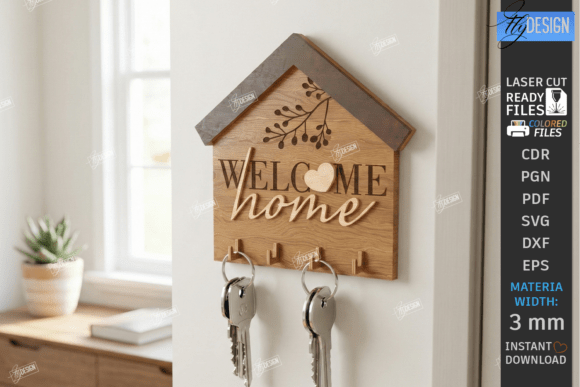
Before initiating any production run, it is crucial to understand why a Wall Key Holder Laser Cut Key Hanger resonates with consumers. At its core, this product solves a universal problem: organization. However, its appeal extends beyond utility. The house-shaped design serves as a symbolic anchor for the concept of "home," making it an ideal candidate for housewarming gifts, real estate closing presents, or personalized home décor.
From a strategic perspective, offering a product that bridges functionality with emotional significance increases its perceived value. When you position this item as a Housewarming Gift Key Hanger, you are not just selling wood or acrylic; you are selling a sentiment. This distinction allows for higher pricing tiers and better customer retention. Entrepreneurs should consider how this product fits into their broader catalog. Does it complement other home organization tools? Can it be bundled with matching coat racks or mail organizers? Thinking through these connections ensures that the product supports long-term business goals rather than existing in isolation.
Technical Precision and File Management
The foundation of any successful laser cutting operation is the quality of the digital assets. The provided digital product includes a comprehensive zip archive containing SVG, EPS, PNG, PDF, and DXF files. This variety is not accidental; it addresses the fragmented landscape of laser cutting software and hardware compatibility.
For professionals using industrial-grade machines or specific software suites, the choice of file format can significantly impact the final outcome. A critical technical consideration involves the use of Lightburn, a popular laser control software. Users often encounter distortion issues when importing SVG files, particularly regarding dimensions and scaling. To mitigate this risk and ensure precise cuts, it is strategically advisable to use the DXF file format when working within Lightburn. This simple adjustment prevents material waste and reduces the time spent on troubleshooting, directly improving operational efficiency.
Furthermore, the design utilizes a clear visual language for machine instructions: RED lines indicate CUT paths, while BLACK lines indicate ENGRAVE areas. Adhering to this standard minimizes setup time and reduces the likelihood of human error during the production phase. Before committing to a full batch, always verify that your cutting machine and software interpret these color codes correctly. A test cut on scrap material is a low-cost insurance policy against costly mistakes.
Strategic Customization and Brand Positioning
One of the most powerful aspects of digital laser cut files is the potential for customization. While the base design is a house-shaped key rack, the strategic value emerges when you adapt it to specific niches. Consider offering personalized versions with family names, established dates, or custom messages engraved in the designated black-line areas. This transforms a generic commodity into a bespoke product, enhancing customer experience and fostering loyalty.
For marketers and brand builders, this product offers a tangible touchpoint. Imagine partnering with local real estate agents who need memorable closing gifts for clients. A high-quality, laser-cut key holder branded with the agency’s logo (engraved subtly) serves as a lasting advertisement in the client’s home. This B2B application expands the market beyond individual consumers to professional service providers seeking reliable vendors for client appreciation initiatives.
However, customization requires clear communication. If you offer variations in size or PNG colors for marketing materials, ensure that your workflow can handle these requests without bottlenecking production. The availability of multiple file formats allows you to create high-resolution promotional images (using the PNG) while maintaining vector precision for production (using SVG or DXF). Leveraging these assets effectively supports both your operational backend and your frontend marketing efforts.
Risk Management and Quality Control
Entering the market with laser-cut products carries inherent risks if not approached with discipline. One common pitfall is ignoring material constraints. Not all woods or acrylics behave the same way under a laser. Cherry wood may engrave differently than plywood, and acrylic thickness affects cut speed and edge clarity. Without clear goals and context regarding material selection, you risk producing inconsistent results that damage your brand reputation.
Another risk is over-reliance on generic designs. While the Wall Key Holder Laser Cut Key Hanger is a strong foundational design, standing out in a saturated market requires additional value. This could come from superior finishing techniques, unique packaging, or exceptional customer service. Decision-makers must evaluate whether they are competing on price, quality, or uniqueness. Trying to compete on all three without adequate resources is a recipe for burnout.
Additionally, ensure that your digital inventory is organized. Keeping track of which file version corresponds to which product iteration is vital. If a customer requests a specific modification, having a clean, well-labeled archive allows you to respond quickly and professionally. Delays in fulfilling custom orders can erode trust, so operational readiness is as important as design quality.
Long-Term Value and Sustainable Growth
Integrating this product into your portfolio should be viewed as a step toward sustainable growth. Start by mastering the production process with the provided files. Once you have refined your cutting parameters and finishing techniques, consider expanding the line. Could this design evolve into a larger entryway organizer? Could it be adapted for different holidays or seasons?
Engagement with your audience is also key. Encourage customers to share photos of their installed key holders. This user-generated content serves as social proof, reducing the friction for future buyers. By following your shop and engaging with your releases, customers become part of a community rather than just transactional entities. This shift in dynamic supports long-term retention and reduces customer acquisition costs over time.
Finally, remain open to feedback and iteration. If users request different file types or sizes, accommodate them where feasible. This responsiveness demonstrates a commitment to quality and customer satisfaction, reinforcing your position as a trusted provider in the laser cutting community. The goal is not just to sell a file or a physical product, but to establish a reputation for reliability and excellence.
Making the Right Decision for Your Workflow
Ultimately, the decision to produce and sell a Wall Key Holder Laser Cut Key Hanger should align with your broader strategic objectives. Ask yourself: Does this product leverage my existing equipment efficiently? Does it appeal to my target demographic? Can I maintain consistent quality at scale? If the answers are affirmative, then this design offers a robust platform for growth.
Remember that success in digital fabrication is rarely about a single viral product. It is about the cumulative effect of consistent quality, thoughtful design, and strategic planning. By treating this key holder not just as a craft item but as a component of a larger business ecosystem, you position yourself for enduring success. Whether you are a freelancer looking to expand your offerings or a small business owner aiming to diversify your inventory, approaching this product with intentionality will yield the best results.
For those ready to integrate this design into their workflow, ensure you have the necessary software compatibility and material supplies on hand. Reach out with specific questions regarding file formats or customization options to ensure a smooth start. With the right preparation and mindset, this laser-cut key holder can become a staple in your product lineup, driving both revenue and brand recognition.