Wolf Face Laser Cut SVG Design Guide
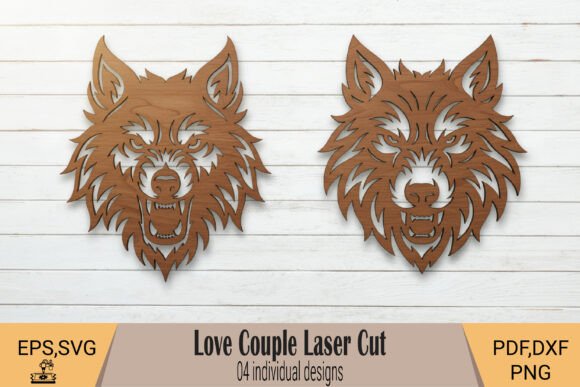
In the realm of modern visual design, the intersection of digital precision and tactile craftsmanship offers unique opportunities for brand storytelling. A Wolf Face Laser Cut SVG serves as more than just a decorative element; it is a versatile vector asset that bridges the gap between graphic design concepts and physical reality. For designers and creators, understanding how to leverage such high-quality silhouettes can elevate projects from simple decorations to compelling visual statements that resonate with audiences seeking authenticity and bold aesthetics.
The Strategic Value of Vector Silhouettes in Design
From a professional perspective, the power of a wolf head design lies in its scalability and clean lines. Vector files, including SVG, DXF, and EPS formats, ensure that the integrity of the design remains intact regardless of size. This is crucial for maintaining a consistent brand identity across various mediums. Whether you are developing a logo for an outdoor adventure company or creating signage for a rustic lodge, the sharp edges and balanced composition of a wolf silhouette provide immediate visual impact.
These assets support effective visual hierarchy by offering strong focal points. In graphic design, negative space is just as important as the subject itself. A well-crafted wolf face utilizes negative space to define features without clutter, making it ideal for minimalist approaches in web design and UI design. This clarity ensures that the message is communicated instantly, a key factor in today’s fast-paced digital marketing environment.
Practical Applications Across Creative Industries
The versatility of this design extends far beyond wall art. When integrated thoughtfully into a broader design workflow, it can enhance numerous creative projects. Here are several ways professionals can utilize this asset:
- Branding and Logo Design: Use the silhouette as a primary mark for brands associated with strength, loyalty, or nature. Its scalable nature ensures it looks crisp on business cards and large-scale banners alike.
- Packaging Design: Incorporate the cut-out style into product packaging for premium goods. The interplay of light and shadow through laser-cut patterns adds a tactile dimension that enhances unboxing experiences.
- Social Media Graphics: Adapt the vector for digital overlays in social media graphics. It can serve as a watermark or a thematic frame for content related to wildlife, conservation, or outdoor lifestyles.
- Environmental Graphics: Beyond home décor, these designs are perfect for office spaces, retail environments, or event backdrops, creating immersive atmospheres that align with modern aesthetics.
Enhancing Visual Communication Through Material and Finish
While the digital file is the foundation, the final output depends on material selection and finishing techniques. For designers working on print design or physical installations, considering how light interacts with the cutouts is essential. Materials like wood, acrylic, or metal each convey a different tone. Wood suggests warmth and tradition, suitable for cabinetry or rustic branding, while metal or acrylic offers a sleek, contemporary feel appropriate for corporate offices or tech-forward brands.
Color palette choices also play a significant role. Although laser cutting often relies on the natural color of the material, post-processing options such as painting, staining, or powder coating allow for alignment with specific brand colors. This flexibility ensures that the design integrates seamlessly into existing visual systems, reinforcing professional presentation and coherence.
Tips for Selecting and Using Design Assets
To maximize the effectiveness of a Wolf Face Laser Cut SVG, consider the following best practices:
- Check Node Quality: Ensure the vector paths are smooth and free of unnecessary anchor points. Clean paths result in smoother cuts and higher quality outputs in both digital and physical formats.
- Consider Scale and Proportion: Test the design at various sizes to ensure details remain visible. What works as a large wall piece may lose definition when scaled down for a small label or icon.
- Maintain Consistency: If using the wolf motif alongside other design elements, ensure line weights and styles are consistent. This supports a unified look across marketing materials and editorial design layouts.
- Optimize for Software Compatibility: Verify that the file format matches your cutting software requirements, whether it is LightBurn, Inkscape, or Adobe Illustrator, to streamline the production process.
Ultimately, the integration of high-quality creative assets like this wolf silhouette into your projects demonstrates a commitment to excellence in visual design. By focusing on usability, aesthetic appeal, and strategic application, designers can create memorable experiences that strengthen brand connection and engage audiences effectively. Thoughtful design choices not only improve aesthetics but also enhance communication, ensuring that every visual element serves a purpose in the broader narrative of your creative work.