Valentine Bow Heart Alphabet: A Practical Guide to Romantic Embroidery Design
When curating digital assets for seasonal crafting, the distinction between a generic motif and a truly versatile design often lies in the details. The Valentine Bow Heart Alphabet represents a specific niche within machine embroidery that bridges the gap between playful typography and classic romantic symbolism. For crafters, small business owners, and hobbyists looking to elevate their Valentine’s Day projects, understanding the structural and aesthetic qualities of this design type is essential for making an informed decision.
This article explores what makes this alphabet style distinct, how it compares to other embroidery options, and where it fits best within a broader creative workflow. By evaluating its technical attributes and practical applications, you can determine if this resource aligns with your current project needs or if an alternative approach might serve you better.
Defining the Aesthetic and Technical Structure
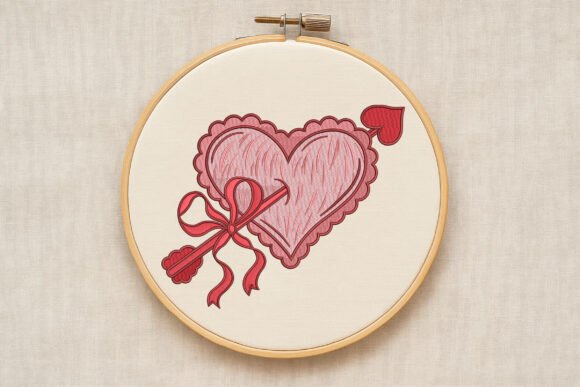
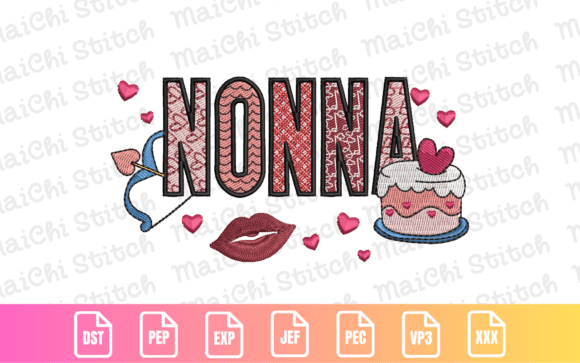
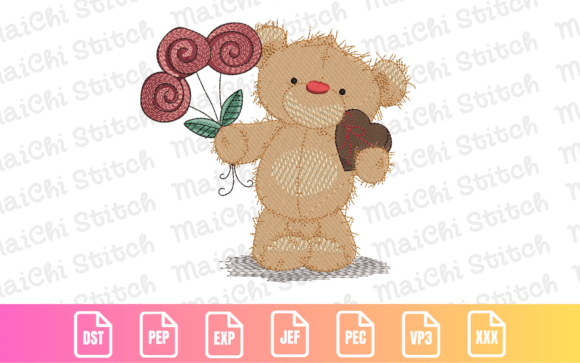
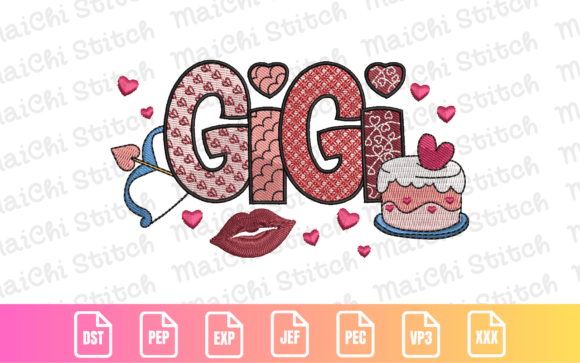
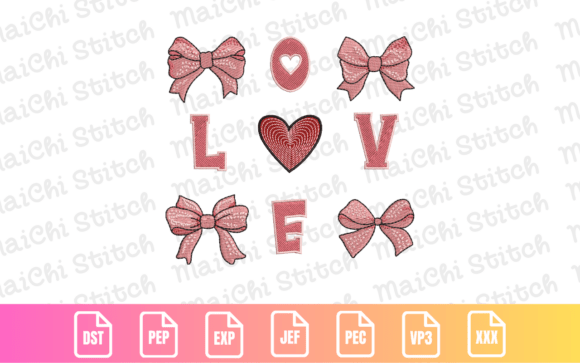
The Valentine Bow Heart Alphabet is not merely a collection of letters; it is a cohesive design system. At its core, it features pink decorative letters paired with elegant bows and a stitched heart element. This combination creates a charming, romantic look that is immediately recognizable yet sufficiently subtle for various applications. Unlike standard block fonts that require separate embellishments, this design integrates the decorative elements directly into the letterform structure.
From a technical standpoint, the quality of such a design relies heavily on stitch density and fill techniques. High-quality versions of this alphabet utilize clean satin fill stitching and soft textures to ensure the final output looks professional rather than bulky. The detailed linework surrounding the bows and hearts adds depth without compromising the integrity of the fabric. This balance is crucial because overly dense designs can cause puckering, especially on lighter materials commonly used for spring and Valentine’s apparel.
Another critical aspect is compatibility. A robust design package should include multiple file formats such as DST, PES, EXP, JEF, PEC, VP3, and XXX. This variety ensures that the design can be used across a wide spectrum of embroidery machines, from entry-level home models to advanced multi-needle industrial units. Without this format diversity, the utility of the design is significantly limited, forcing users to rely on potentially imperfect conversion software.
Comparing Styles: When to Choose This Alphabet
In the vast landscape of machine embroidery, choosing the right font style depends largely on the intended recipient and the final product. The Valentine Bow Heart Alphabet occupies a middle ground between childish whimsy and mature elegance. To make the best choice, it helps to compare it against other common categories.
Versus Script and Monogram Fonts
Traditional script fonts offer sophistication but can be difficult to read at smaller sizes. They are ideal for formal wedding invitations or high-end linen but may feel too serious for children’s clothing or casual gifts. In contrast, the bow and heart motif adds a layer of approachability. If your goal is to create something that feels sweet and personal without being overly formal, this alphabet is a stronger candidate than a rigid serif or complex script.
Versus Novelty and Cartoon Fonts
On the other end of the spectrum are novelty fonts featuring heavy outlines, bright primary colors, and exaggerated characters. While these are perfect for young children, they often lack the versatility needed for adult apparel or home décor. The Valentine Bow Heart Alphabet uses softer textures and elegant bows, allowing it to transition more smoothly into teen fashion, tote bags, and even subtle home accents like throw pillows. It avoids the "cartoonish" trap while maintaining a festive spirit.
Versus Minimalist Line Art
Minimalist single-line designs are trendy and quick to stitch, making them cost-effective for large batches. However, they often lack the visual impact and texture that filled designs provide. If you are creating a standout gift or a premium product for sale, the textured fills and detailed linework of this alphabet offer a perceived value that simple line art cannot match. The trade-off is slightly longer stitch times, but the result is a richer, more tactile finish.
Practical Applications and Best-Fit Scenarios
Understanding where this design excels helps maximize its value. The versatility of the Valentine Bow Heart Alphabet makes it suitable for a wide range of substrates, but some applications yield better results than others.
- Apparel: This design is particularly effective on kids’ clothing and women’s tops. The soft pink tones and bow details complement cotton blends and jersey fabrics well. However, care must be taken with stretchy materials; using appropriate stabilizers is non-negotiable to prevent distortion of the delicate bow shapes.
- Accessories: Tote bags and canvas pouches are excellent candidates. The sturdy nature of canvas supports the satin fills without puckering, allowing the intricate details of the hearts and bows to remain crisp. This makes it a popular choice for personalized school bags or gift carriers.
- Home Décor: For items like pillowcases or tea towels, the design adds a seasonal touch without being overwhelming. Because the letters are decorative, they work well as standalone statements or as part of a larger composition. For example, embroidering a name across a pillowcase using this alphabet creates a personalized heirloom quality.
- Personalized Gifts: Whether it is a monogrammed towel set or a custom onesie, the emotional resonance of a hand-embroidered item is amplified by the romantic symbolism of the hearts and bows. It signals effort and thoughtfulness, which is central to the Valentine’s Day ethos.
Evaluating Limitations and Tradeoffs
No design is universally perfect, and recognizing the limitations of the Valentine Bow Heart Alphabet is part of professional due diligence. One primary consideration is stitch count. Designs with detailed linework and satin fills naturally have higher stitch counts than simple running-stitch fonts. This means longer production times per item. For hobbyists, this is rarely an issue, but for small businesses calculating labor costs, it is a factor to weigh against pricing strategies.
Additionally, the complexity of the bows and hearts requires precise machine tension and sharp needles. Older machines or those in need of maintenance may struggle with the tight turns and dense areas, potentially leading to thread breaks or bird’s nests. Users should always test the design on a scrap piece of the same fabric before committing to the final project.
Color selection also plays a pivotal role. While the default description mentions pink decorative letters, the design’s success often depends on thread choice. Using low-contrast threads may cause the detailed linework to disappear, while high-contrast choices can make the design pop but might clash with certain fabric patterns. Experimentation is key to finding the right balance for your specific material.
Making the Final Decision
Choosing the Valentine Bow Heart Alphabet should come down to your specific project goals and technical capabilities. If you are looking for a design that offers a blend of romantic charm and readable typography, and if you have the machine capability to handle moderate-density satin fills, this option is highly compelling. It stands out for its ability to convey affection through visual cues without relying on cliché imagery alone.
However, if you are working with very delicate silks, extremely stretchy spandex, or need to minimize production time for high-volume orders, you might consider simpler alternatives. For those prioritizing speed over texture, a single-line font may be more efficient. For those seeking ultra-formal elegance, a classic monogram might be more appropriate.
Ultimately, the value of this design lies in its adaptability and emotional appeal. By providing multiple file formats and focusing on clean, high-quality stitching, it removes many of the technical barriers associated with complex embroidery. Whether you are creating a one-of-a-kind gift for a loved one or developing a seasonal product line, understanding these nuances ensures that your final output meets both aesthetic and functional standards. Always review the included formats and check user feedback regarding stitch quality to ensure the specific package you choose meets your machine’s requirements.