Valentine Nonna: Elevating Embroidery Gifts with Precision and Heart
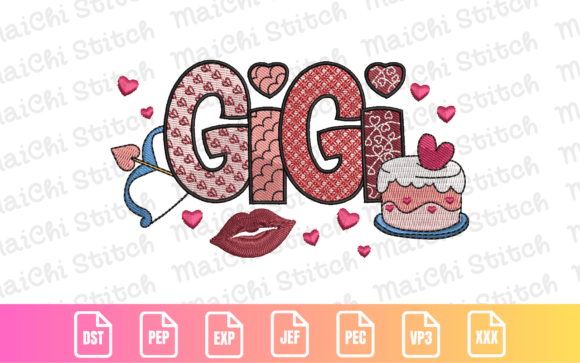
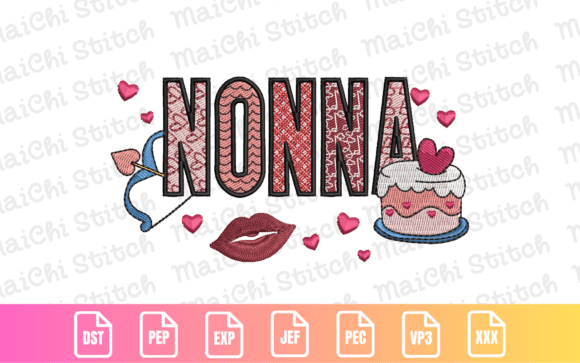
There is a distinct warmth associated with the word Nonna. For many, it evokes memories of Sunday sauces, flour-dusted countertops, and an unconditional love that feels like a warm embrace. When you combine this sentimental weight with the playful romance of Valentine’s Day, you create a powerful emotional hook for personalized gifts. The Valentine Nonna embroidery design captures this intersection perfectly, blending bold patterned lettering with whimsical icons like Cupid’s bow, floating hearts, and sweet lips. However, creating a gift that truly honors this sentiment requires more than just downloading a file and hitting "start." Many crafters, from hobbyists to small business owners, overlook critical technical and aesthetic details that can turn a heartfelt gesture into a frustrating project.
Understanding the Design Complexity
Before threading your machine, it is essential to understand what makes the Valentine Nonna design unique. This is not a simple, single-font text file. It features stylized lettering with detailed decorative fills, paired with soft satin stitching and charming Valentine icons, including a cute heart-topped cake. The complexity lies in the interplay between the bold patterns within the letters and the delicate satin outlines. This contrast creates visual interest but also introduces specific challenges regarding tension, stabilizer choice, and fabric selection. Ignoring these nuances often leads to puckering, thread breaks, or a final product that looks cluttered rather than charming.
Common Mistakes and How to Avoid Them
One of the most frequent errors creators make is underestimating the importance of stabilization. Because the Valentine Nonna design includes dense decorative fills within the letters, the fabric undergoes significant stress during stitching. Using a lightweight tear-away stabilizer on a stretchy fabric like a sweatshirt or jersey knit is a recipe for disaster. The fabric will shift, causing the satin stitches to twist and the letter spacing to become uneven.
The Better Approach: Always use a cut-away stabilizer for knit fabrics and heavy-weight tear-away for woven materials like cotton tote bags or aprons. For added security, consider using a topping, such as water-soluble film, especially if you are embroidering on textured fabrics like terry cloth or fleece. This keeps the stitches sitting on top of the fibers rather than sinking in, ensuring the bold patterns remain crisp and legible.
Another common misunderstanding involves hoop selection and placement. Many beginners attempt to stitch large designs like the full "Nonna" lettering in a standard 4x4 inch hoop, requiring multiple re-hoops. This often results in visible alignment marks or slight shifts in the design continuity.
The Better Approach: Check the dimensions of the design before purchasing or downloading. Ensure your machine supports a hoop large enough to accommodate the entire design in a single hooping. If you must re-hoop, use alignment tools or mark your fabric meticulously with washable pens. Additionally, always center the design properly, keeping in mind that the Cupid bow and floating hearts extend beyond the text. Crowding these elements near the edge of the hoop can lead to needle strikes or incomplete stitching.
Fabric and Thread Considerations
Selecting the wrong thread type can drastically alter the appearance of the Valentine Nonna design. The description highlights "soft satin stitching," which relies on the sheen and smoothness of the thread to create a luxurious look. Using matte cotton thread instead of polyester or rayon can make the satin stitches appear flat and dull, losing the intended elegance. Furthermore, cheap threads are prone to breaking, especially during the dense fill sections of the letters.
The Better Approach: Invest in high-quality polyester or rayon embroidery threads. These materials offer the necessary strength and luster to make the hearts, lips, and cake accents pop against the fabric. Test your thread tension on a scrap piece of the same fabric before starting the actual project. Adjust the top tension slightly if you notice looping on the back, which is common with satin columns.
Color choice is another area where creators often stumble. While red and pink are traditional Valentine colors, using them exclusively can make the design look one-dimensional. The Valentine Nonna design features multiple elements—letters, bows, cakes, and hearts—that can get lost if they all blend together.
The Better Approach: Use color contrast to define the elements. For example, use a deep red for the bold lettering, a soft pink for the satin outlines, and a contrasting white or gold for the cake details. This separation helps the eye distinguish between the different components, making the design more visually appealing and easier to read.
File Compatibility and Machine Settings
A practical yet often overlooked detail is file format compatibility. The Valentine Nonna design comes in multiple formats, including DST, PES, EXP, JEF, PEC, VP3, and XXX. Choosing the wrong format for your specific machine can result in distorted designs or error messages. Some machines interpret certain formats differently, leading to issues with stitch density or jump stitches.
The Better Approach: Always select the file format native to your embroidery machine. If you are unsure, consult your machine’s manual or manufacturer website. Before stitching on your final garment, always run a test stitch-out on a similar fabric scrap. This allows you to check for any digitizing errors, adjust tension, and ensure the design scales correctly. It also gives you a chance to practice trimming jump threads and managing the sequence of colors.
Maximizing the Gift’s Impact
Finally, consider the end use of the item. Is it for a shirt, a tote bag, or kitchen décor? Each application requires different considerations. For apparel, ensure the design is placed comfortably, avoiding areas that will be restricted by seams or pockets. For kitchen items like aprons, consider the durability of the thread and the washability of the fabric. Pre-washing your fabric is crucial to prevent shrinkage after embroidery, which can distort the design.
When gifting to an Italian grandmother or any beloved Nonna, the personal touch matters. Adding a small handwritten note explaining the choice of design or sharing a memory associated with her can elevate the gift from a simple item to a cherished keepsake. The Valentine Nonna design is not just about aesthetics; it is a vehicle for expressing love and appreciation. By paying attention to the technical details—stabilization, thread quality, file compatibility, and placement—you ensure that the final product reflects the care and thoughtfulness behind the gesture.
In conclusion, while the Valentine Nonna embroidery design offers a delightful blend of tradition and modern charm, its success depends on execution. Avoid the pitfalls of poor stabilization, incorrect thread choices, and inadequate testing. By approaching the project with preparation and attention to detail, you can create a beautiful, lasting tribute that truly makes your Nonna feel extra loved. Whether you are a beginner looking to learn or a professional refining your craft, these practical steps will help you achieve high-quality results that honor the spirit of the holiday and the special bond you share.